Have you ever wondered how those perfectly shaped, nutritionally balanced cat food pellets make their way from raw meat meal, grains, and additives to your pet's bowl? The transformation involves not just scientific formulation but an intricate collaboration of mechanical engineering. For entrepreneurs eyeing the pet food industry or industrial enthusiasts curious about pet food production, understanding the manufacturing logic behind cat food production lines is the first step to grasping the industry's entry barriers.
The Core Technology: Extrusion Processing
Modern pet food production centers around extrusion technology. Picture an industrial-scale, high-pressure "pasta maker." After conditioning, raw materials enter the extrusion chamber where they undergo simultaneous exposure to high temperature, pressure, and shear force. This process gelatinizes starch and denatures proteins. When the material exits through the die openings, sudden pressure release causes rapid water vaporization, creating the familiar puffed kibble. This critical process determines not just texture but ensures nutrient bioavailability through thermal processing.
The Modular Production Line
An industrial-grade cat food production line isn't a single machine but an integrated system comprising several core modules:
-
Raw Material Preprocessing:
Crushers and mixers ensure uniform particle size—the foundation for consistent extrusion quality.
-
Extrusion System:
The production heart, equipped with PLC smart controls to precisely adjust temperature, pressure, and rotation speed for different formulations.
-
Drying & Cooling:
Multi-layer belt dryers reduce moisture post-extrusion, followed by cooling towers to prevent mold growth during packaging.
-
Coating System:
Vacuum sprayers uniformly apply fats and palatability enhancers, guaranteeing each kibble's appealing aroma.
Hidden Costs & Configuration Choices
Equipment pricing varies dramatically—from basic lab-scale prototypes costing a few hundred dollars to fully automated production lines exceeding $500,000. Three key factors determine costs:
Capacity:
Small systems might produce mere kilograms per hour for R&D or niche brands, while industrial lines prioritize metric-ton throughput with extreme reliability requirements.
Automation Level:
High-end configurations feature integrated PLC controls for real-time monitoring and minimal human intervention—critical for batch consistency.
Materials & Certification:
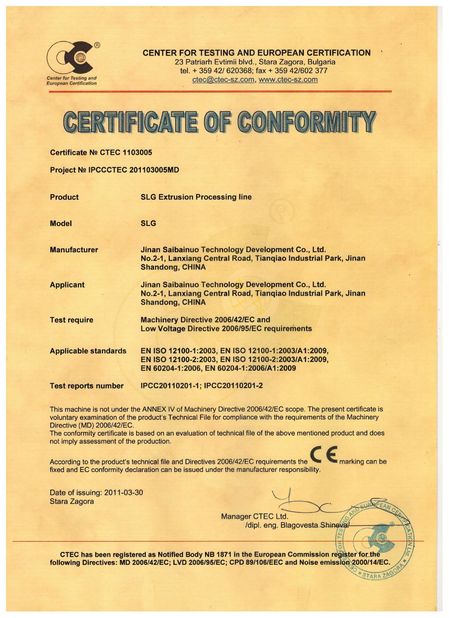
Food-grade stainless steel is mandatory, while CE-certified equipment—though pricier upfront—offers long-term value through durability, compliance, and lower maintenance.
Evaluating Technical Expertise
Beyond price, assess customization capabilities. Kibble shapes (cylinders, hearts, fish) depend on die design. Superior suppliers provide engineering support—adjusting extrusion parameters for density control or designing complex geometries. Buyers should request detailed specifications, compare process diagrams, and insist on trial runs to mitigate investment risks.
The pet food industry's competition ultimately hinges on supply chain efficiency and product quality. A scientifically designed production line doesn't just guarantee output—it enables consistent premium products that build consumer trust. Here, the marriage of technology and industrial engineering continues redefining standards for pets' dining experiences.


 Votre message doit contenir entre 20 et 3 000 caractères!
 French